Tell Your Story: Ace Job Interviews with Compelling Narratives
Shape the Future of Digital Experiences
Join Our Team as a Senior UX Designer
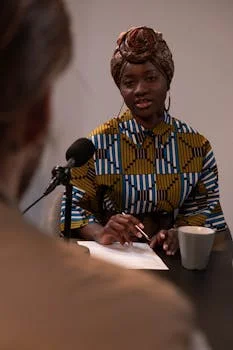
Lead innovative projects for top-tier clients while growing your career at a certified Great Place to Work®.
Master the Interview: How Storytelling Gets You Hired
In today's competitive job market, you need an edge. That edge is storytelling. Employers don't just want a list of skills; they want a compelling narrative that shows why you're the right fit. A great story makes you memorable and connects your experience directly to the role.
Why Your Story Matters
A resume states your history, but a story brings it to life. It engages your interviewer, demonstrates your communication skills, and creates a lasting impression that sets you apart from other candidates.
How to Build Your Story
1. Mine Your Experience
Start by reflecting on your career. Identify key moments:
- A significant challenge you overcame
- A major success or achievement
- A time you learned a critical lesson
Choose stories that directly relate to the job you want.
2. Structure with STAR
Use the STAR method to keep your story clear and impactful:
- Situation: Set the scene. What was the context or challenge?
- Task: What was your specific responsibility or goal?
- Action: What steps did you take? (This is the most important part.)
- Result: What was the outcome? Use numbers to quantify your success when possible.
3. Practice and Refine
- Rehearse your stories out loud with a friend or mentor.
- Record yourself to check your pacing, tone, and body language.
- Keep it authentic—genuine stories are more relatable and memorable.
Tailor Your Narrative
Connect to the Job
Weave in the specific skills and keywords from the job description. This shows you understand the role and have the exact experience needed.
Know Your Audience
Research the company’s culture, mission, and values. Use language and themes in your story that will resonate with them, showing you’re a cultural fit.
Prepare a Variety of Stories
Have a repertoire of anecdotes ready for different questions:
- One that highlights teamwork
- One that showcases problem-solving
- One that demonstrates leadership or adaptability
Advanced Storytelling Techniques
Embrace Vulnerability
It’s powerful to talk about a failure or setback—and what you learned from it. This shows resilience, a growth mindset, and self-awareness.
Paint a Picture
Use vivid, concise descriptions to help the interviewer visualize the scenario. Aim to create an emotional connection, whether it’s about perseverance, innovation, or collaboration.
Mind Your Delivery
Your non-verbal communication is part of the story.
- Maintain confident eye contact.
- Use purposeful gestures.
- Modulate your voice for emphasis.
For Virtual Interviews: Ensure a professional, distraction-free background. Look at the camera to simulate eye contact and convey enthusiasm.
Keep It Professional
- Stay relevant and on-topic.
- Be succinct—respect the interviewer’s time.
- Ensure a smooth narrative flow without unnecessary tangents.
The Bottom Line
Storytelling transforms an interview from an interrogation into a conversation. By strategically preparing and practicing your authentic narratives, you’ll engage interviewers on a deeper level and dramatically increase your chances of landing the job.
Let your story be the reason they remember you.